

Whoa! This is one of those topics that feels obvious until you need to prove provenance or find a suspicious transfer. My first instinct was: check the marketplace, ask the creator. But then I actually dug into on-chain data and realized those surface signals lie sometimes. Hmm… the blockchain tells a clearer story, if you know where to look. Here’s the thing. You can follow an NFT from mint to marketplace sale, trace every wallet it touched, and spot weird patterns — all without trusting anyone but the ledger.
Start simple. Copy the NFT’s mint address. Paste it into an explorer search bar. The token’s history will show up: mints, transfers, royalties, burns, and every failed attempt. Seriously? Yes. Solana transactions are compact but rich, and explorers like Solscan turn raw hashes into readable timelines. My instinct said this would be clunky. Actually, wait—Solscan’s layout is pretty streamlined, and that matters when you’re debugging a messy provenance chain.
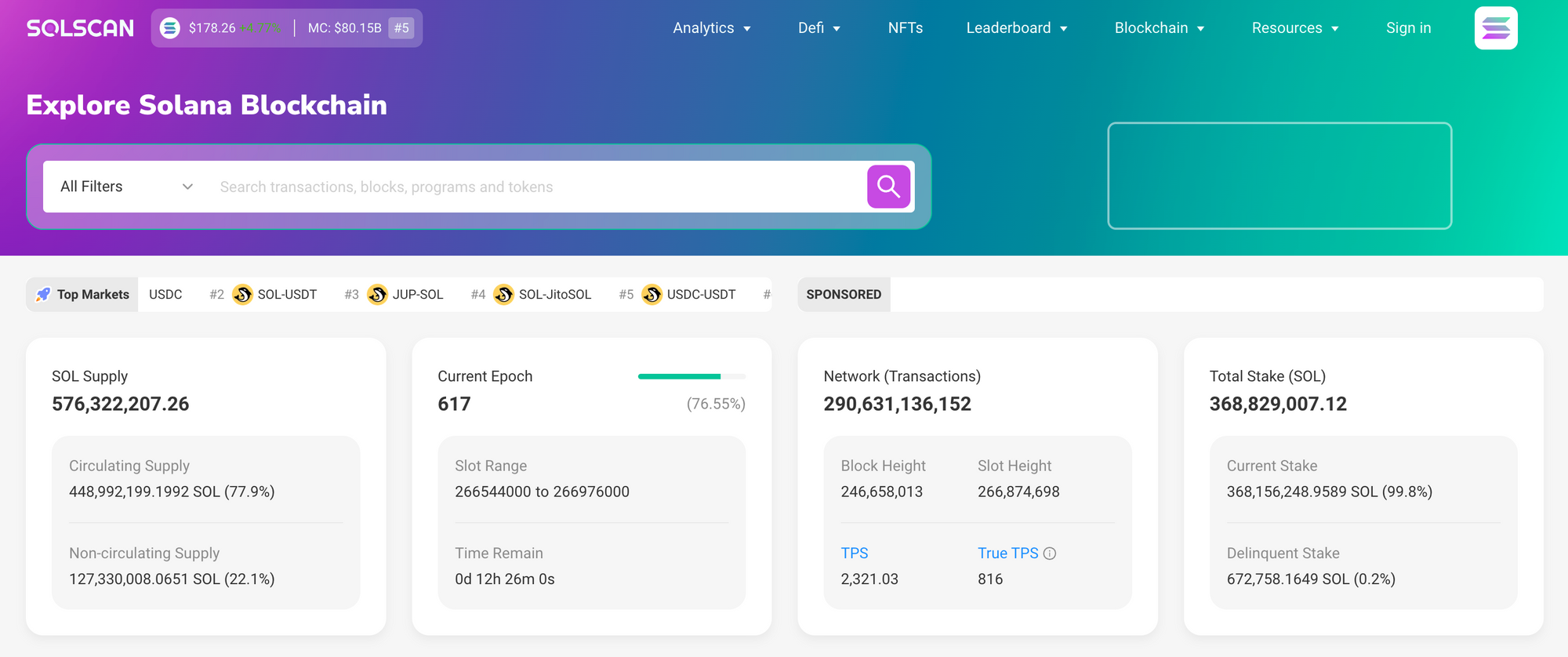
Why use an explorer (and why Solscan)?
Short answer: transparency. Medium answer: speed and detail. Long answer: a good explorer decodes program logs, surfaces inner instructions, and links token metadata (which often points to off-chain assets on IPFS or Arweave), letting you verify whether an image or trait actually belongs to that token and who minted it. On one hand, marketplaces aggregate listings and show prices; on the other hand, explorers give you the immutable record of what actually happened, down to pre- and post-balances and the program IDs invoked in a transaction.
Okay, so check this out — the first practical step when you suspect something: find the mint address embedded in the marketplace listing or NFT metadata. Paste that into the search field on the solscan explorer official site and let the explorer pull up the token page. The token page usually has a section for “Transactions” and “Holders.” Those two tabs are your best friends when you’re reconstructing transfers or spotting wash trading.
Now a bit of method. First, look at the mint transaction. That tells you the creator/wallet that issued the token and which program minted it. Next, check the metadata URI — that will often point to the human-readable JSON describing the art. If the URI is broken or points to a placeholder, somethin’ might be off. Follow the chain of transfers to see if there’s a single owner flipping dozens of tokens quickly. Sometimes you’ll see patterns like repeated transfers between the same few addresses — that often indicates either internal testing or coordinated activity.
Here’s a practical checklist I use. 1) Mint tx: who paid the fee, and what program was used? 2) Metadata: is the JSON served from a permanent store or a mutable server? 3) Holder distribution: one whale or many? 4) Recent transfers: are there rapid sells or many tiny transfers? 5) Marketplace listings: do prices align with on-chain transfers? These steps don’t guarantee safety, but they reveal a lot.
Reading Solana transaction details — what to watch for
Transaction signatures are entry points. Click one and you’ll see status, slot, block time, fee, and a decoded list of instructions. The inner instruction logs can reveal token program transfers that don’t appear in the top-level call. That matters when a contract bundles actions together. For instance, a single transaction can call a marketplace program which then invokes token transfers via the token program; the explorer flattens that so you can follow the money.
Large wallets interacting with mint programs? Pay attention. Tiny fees but many ops? That’s the network doing its thing. Failed transactions leave traces too — aborted transfers often reveal attempts to double-spend metadata or test behavior. Oh, and by the way… check the “Program” field. A legit NFT will typically involve a familiar minting program like Metaplex’s Candy Machine or another audited program. If the program ID is unknown to you, that’s a red flag worth digging into.
Some practical red flags: repeated transfers back-and-forth between a token and a handful of addresses, immediate relisting at inflated prices, or metadata pointing to mutable HTTP URLs that can be swapped later. I’m biased, but mutable metadata is the part that bugs me the most. Immutable storage like Arweave or IPFS gives stronger provenance. Still, many projects mix both approaches.
Tracking a collection and monitoring activity
Want to watch a whole collection? Start with the collection’s creator and the set of mint addresses it produced. Use the holders tab to see distribution — concentration matters. If a tiny percent of holders own most of the supply, price dynamics are fragile. Also — marketplaces sometimes exclude wash trades, but on-chain records don’t lie. You can sort transaction lists by time to see bursts of activity, and then follow suspicious addresses back through their histories to check whether they’re new wallets or long-time participants.
For live monitoring, set up periodic checks of key addresses and mint lists. You can manually revisit a token page, but if you’re tracking many assets you’ll want automation. Many teams export transaction lists or use webhooks from indexing services. I’m not handing you code here, but the pattern is always the same: poll the token’s transaction endpoint, scan for new transfer events, and flag anomalies like repeated transfers or unexpected program invocations.
FAQ
How do I find an NFT’s mint address?
Often the marketplace shows it. If not, click the token on an explorer page to reveal “Mint Address” or search by token name and inspect the token’s details. If you only have an image, reverse where the image URL points: the metadata JSON will include the mint or token id.
Why isn’t the metadata loading?
Because the metadata URI might be offline, mutable, or gate-kept. Many projects use Arweave or IPFS for permanence; if the URL is an HTTP link that goes dead, the on-chain pointer still exists but the asset could be inaccessible. That’s a risk to consider before buying.
Can I detect scams or rug pulls on-chain?
Partially. You can see who minted, where funds flowed, and whether sales were immediately sent to an exit address. You can also detect suspicious contract patterns. But on-chain analysis won’t reveal off-chain promises or hoaxes, so combine on-chain checks with community research.
Alright — some final practical pointers, quickly: keep the mint tx and the metadata JSON open when verifying; cross-check seller addresses against wash-trade patterns; prefer tokens whose metadata points to immutable storage. I’m not 100% sure about every edge case. There are new program hacks and weird token wrappers popping up all the time… so stay skeptical. Really.
